If you've been anywhere near the news lately, you've probably seen Kevin O'Leary's name flash across the screen. He is at the center of one of the most talked-about stories in Utah right now: a proposed $100 billion, 9-gigawatt data center complex called the Stratos Project, planned for Box Elder County in northern Utah. There are protesters at the Capitol and the governor himself has said the rollout "was not good." It can feel like a lot! And depending on where you live in Utah, you might be wondering what impact this might have on you and your home.
Here is one consideration that is at the center of all that controversy: no matter if you are for or against the data center, the desire to build one in Utah signals one important thing, and that is that Utah is at the center of tech.
For homeowners and buyers in Salt Lake or Utah County, that matters more than you might realize.
Why Tech Investment Keeps Landing in Utah
Utah didn't end up on O'Leary's radar by accident. The state has been building a reputation as a tech-friendly, business-friendly environment for years. Low corporate taxes, a growing workforce pipeline, and relatively affordable land compared to the coasts have made Utah a logical landing spot for infrastructure projects of all sizes.
The Stratos Project isn't the only data center story unfolding right now. A $2 billion AI data center developed by CIM Group and Novva Data Centers is already under construction in West Jordan, fully leased before it's even open. That's a 100-acre, 175-megawatt facility right in the heart of the southwest valley, and it's set to come online in 2026. (You can read more about Utah's broader data center boom at ABC4 Utah and Deseret News.)
These aren't abstract tech stories. They translate into jobs, and jobs translate into housing demand.
What This Means for homeowners
When high-paying employment centers move into a region, the surrounding housing market responds. That's not speculation, it's a pattern that has played out in every major tech hub over the past two decades.
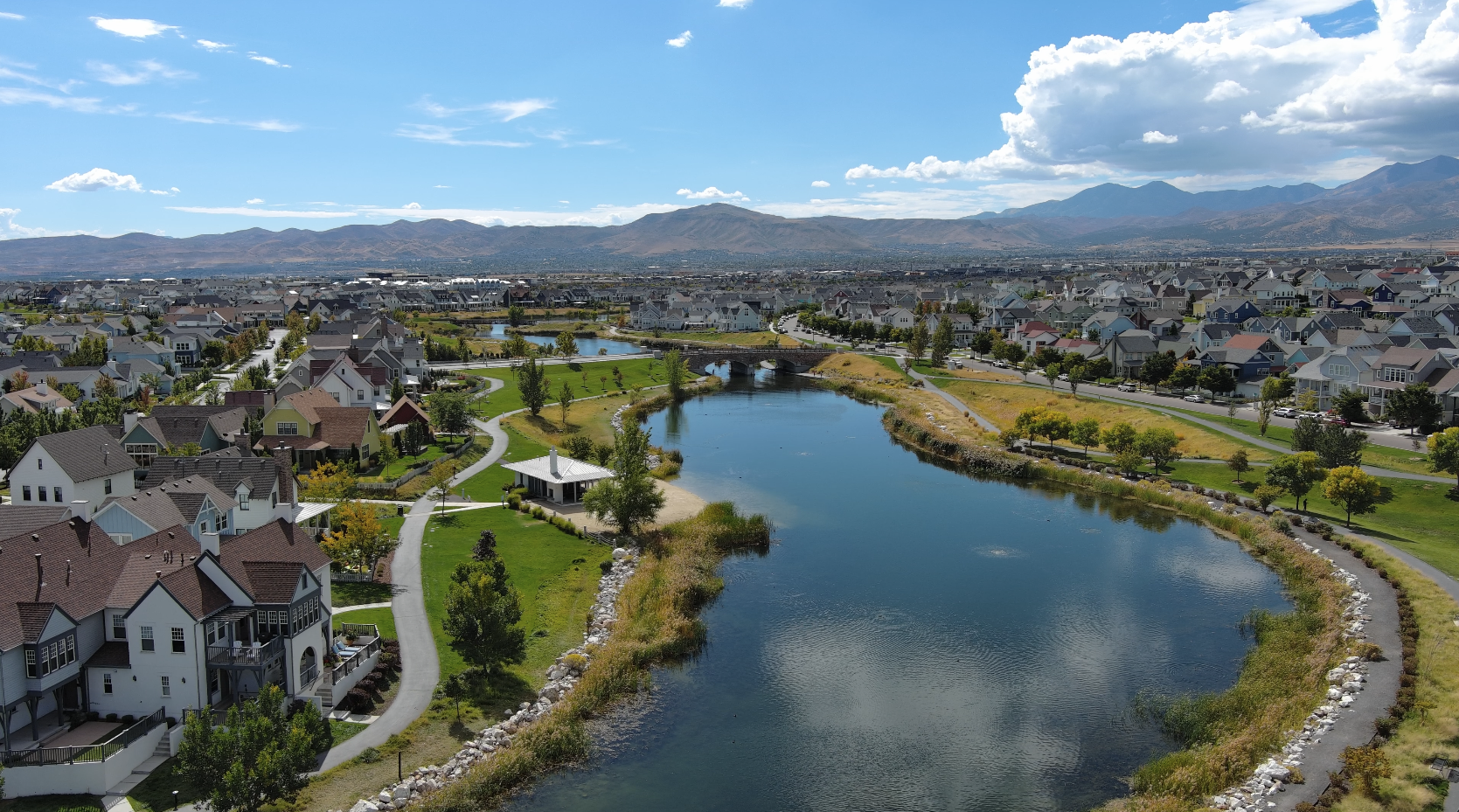
In Utah's case, the effect is already being felt in places like South Jordan, Draper, Herriman, Saratoga Springs, and Lehi. Research on Utah's tech-driven real estate market points to consistent appreciation in these corridors as employers expand and workers look for well-planned communities with real amenities.
Daybreak specifically keeps coming up in that conversation. It's the kind of community that attracts buyers who want walkable neighborhoods, proximity to major employment corridors, and a lifestyle that actually lives up to the sales pitch. The community of Daybreak in South Jordan (84009) checks every one of those boxes, and it's why buyer interest there has stayed durable even as other Utah submarkets have softened.
Data center jobs alone are projected to add 2,000 to 3,250 permanent operations positions in Utah by 2030, according to recent economic analysis. Those workers need somewhere to live. And a lot of them are going to end up in the southwest valley.
what are the concerns & controversy
To be clear: the concerns being raised about the Stratos Project are legitimate. Environmental groups and Utah scientists have flagged significant questions about water use, greenhouse gas emissions, and the speed at which approvals were granted. A USU physicist has noted that the project's natural gas requirements could raise Utah's total greenhouse gas production by roughly 50%. These are real issues that deserve real public debate.
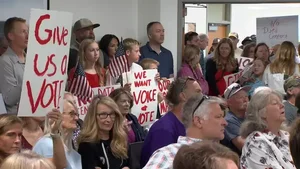
O'Leary's claim that more than 90% of protesters were "bussed in" and paid to attend was disputed by on-the-ground reporting from the Salt Lake Tribune. The image of county commissioners retreating to a private room to vote while residents watched on a livestream did not exactly inspire confidence in the process.
Governor Spencer Cox acknowledged the rollout was handled poorly, which is a significant admission given the scale of state involvement.
What this controversy reveals is that Utah is now a place where a $100 billion investment proposal is even plausible. Love the Stratos Project or oppose it, that level of capital interest in this state doesn't happen in a vacuum. It reflects a sustained conviction that Utah is a place worth betting on at a very large scale.
What Buyers and Sellers in the valley should know
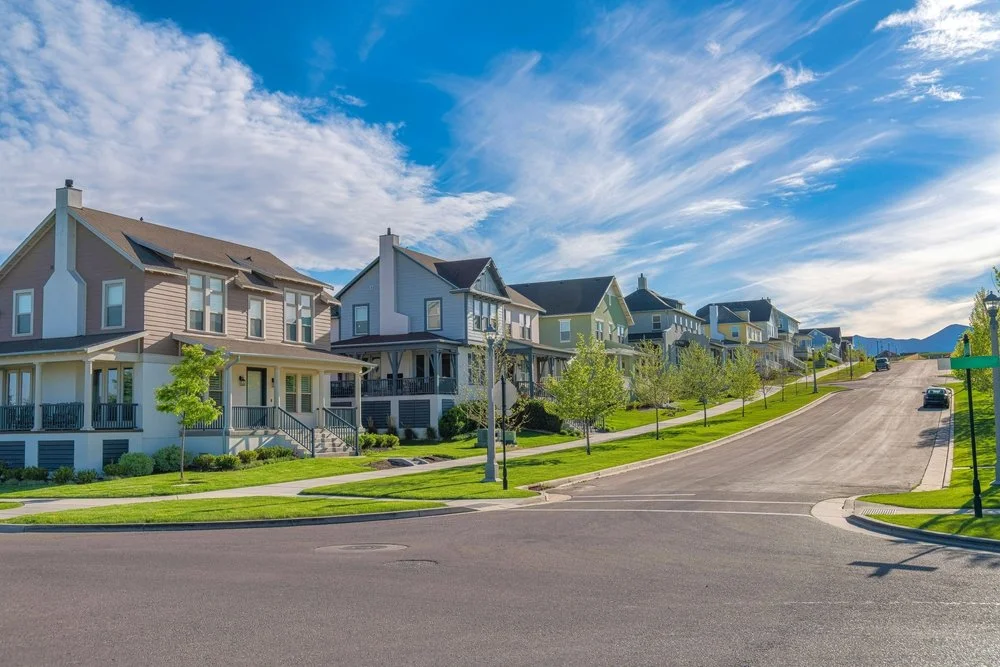
If you're a homeowner in South Jordan or a surrounding city right now, the headline-level drama isn’t driving people away, but bringing awareness. What's signal is the underlying story: the economic gravity of the southwest Salt Lake Valley is increasing.
That doesn't mean prices will spike overnight. It means that the demand drivers for this specific part of Utah are getting stronger, not weaker, and that Salt Lake County is positioned well relative to where major employers and infrastructure investment are landing.
If you've been thinking about selling, a market with strengthening demand drivers is worth timing carefully. If you've been thinking about buying, waiting for a dramatic dip in a supply-constrained, high-demand corridor is a strategy that has cost a lot of buyers in Utah the past several years.
Quick FAQ
Is Daybreak, Utah a good place to buy a home in 2026? Yes. Daybreak in South Jordan (84009) offers a master-planned community with strong walkability, consistent amenities, and proximity to major employment corridors in the southwest Salt Lake Valley. It continues to attract buyers who want livability alongside long-term value.
How does Utah's data center boom affect home prices in South Jordan? Large-scale tech and data center investment in Utah drives job creation, which increases housing demand in nearby communities. South Jordan and the broader southwest Salt Lake Valley are directly in the path of that growth, with multiple facilities already under development in the region.
What is the Stratos Project in Utah? The Stratos Project is a proposed $100 billion, 9-gigawatt data center complex in Box Elder County, backed by investor Kevin O'Leary's company O'Leary Digital. It was approved by Box Elder County commissioners in May 2026 and has generated significant public controversy over environmental impact and the transparency of the approval process.
Whether you're keeping one eye on the news or one eye on Zillow, the Zander Real Estate Team is here for conversations about what's actually happening in the market. Call us at 801-446-2662!