What is the Due Diligence period in a Utah real estate purchase?
The Due Diligence period in Utah is a negotiated window (typically 14 calendar days) written into Section 24(a) of the Real Estate Purchase Contract (REPC). During this time, buyers have the right to inspect the property, review the Seller's Property Condition Disclosure, examine title and HOA documents, and advance their loan. If anything is unacceptable, the buyer can cancel in writing before the deadline and receive their earnest money back in full. After the deadline passes, canceling without a valid contingency typically means forfeiting earnest money.
Most Utah buyers don't really think about the Due Diligence Deadline until they're already under contract. And by then, how you use those 14 days, or whether you miss the deadline, can cost you thousands.
The Utah REPC is one of the most buyer-friendly contracts in the country. But only if you understand it. Here's exactly how the Due Diligence period works, what you need to accomplish in that window, and the mistakes that cause buyers to lose their earnest money.
What Is the Utah REPC Due Diligence Period?
When you and a seller agree on a price and sign a Utah Real Estate Purchase Contract (REPC), the clock starts on what the contract calls the Due Diligence Deadline — found in Section 24(a).
The default most buyers negotiate is 14 calendar days. For properties with septic systems, private wells, or complex construction, 21 days is common. You and the seller negotiate this number before signing.
Here's the part buyers often miss: these are calendar days, not business days. Weekends count. Holidays count. If your deadline falls on a Saturday, Sunday, or Utah state holiday, the REPC pushes it to the next business day at 5:00 PM Mountain Time — but don't count on that cushion. Plan as if the deadline is firm.
This is one of the most common points of confusion we see with buyers in South Jordan and throughout Salt Lake County. You accepted on a Thursday? Your Day 14 is the following Wednesday. That's not a lot of time to schedule inspections, review disclosures, and decide whether you're moving forward.
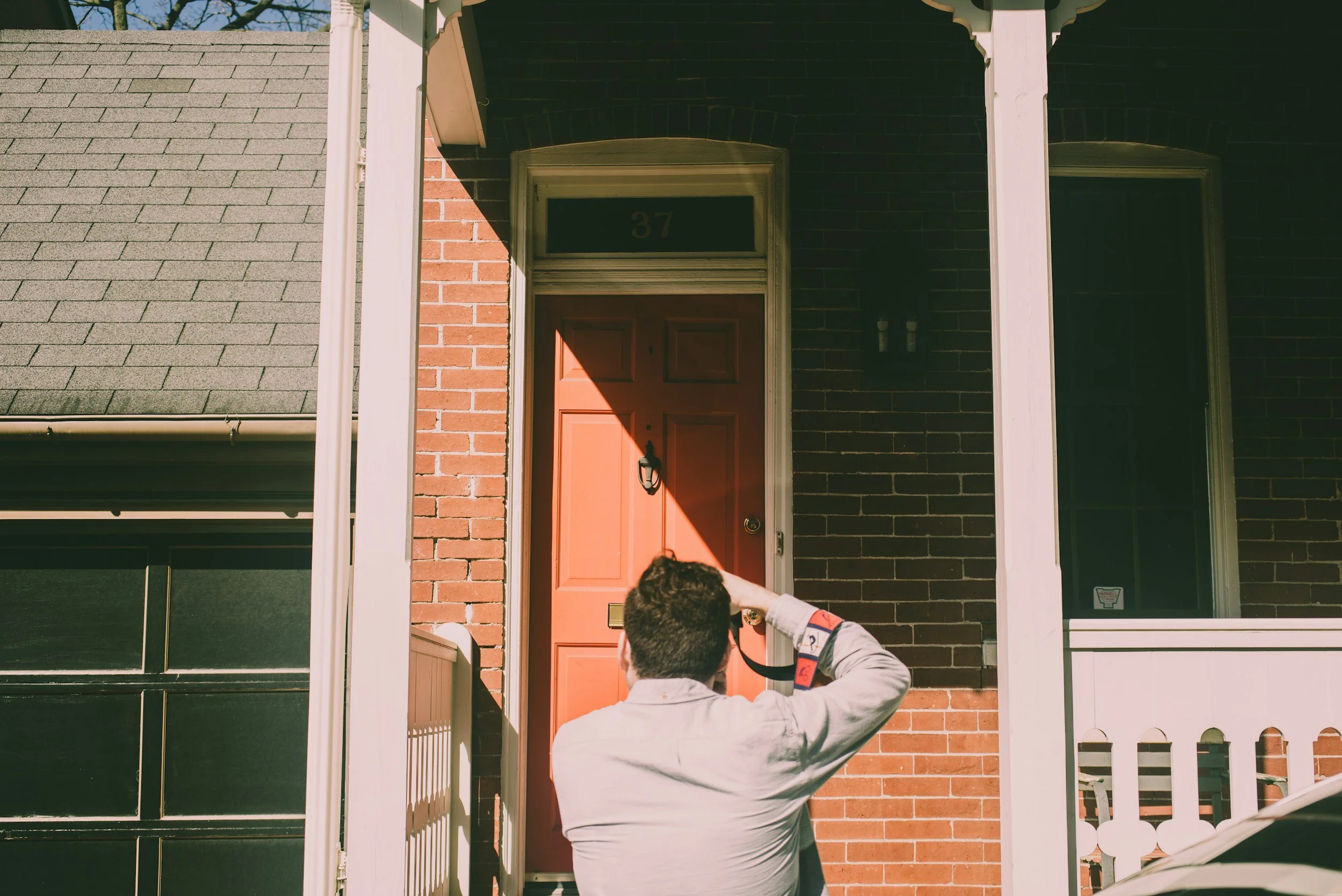
What You're Doing During Those 14 Days
Due Diligence isn't passive. It's a sprint. Here's what you need to cover:
1. General home inspection. This should be booked within 24–48 hours of acceptance. Good inspectors in Salt Lake County book fast, and a solid whole-house inspection takes 2–4 hours. Budget $400–$600 for a single-family home in the $500K–$775K range. Your inspector will examine structure, roof, foundation, electrical, plumbing, HVAC, and more.
2. Specialized inspections. Depending on what the general inspector flags — or what the home's age and features suggest — you may also want a radon test, sewer scope, HVAC specialist, chimney inspection, mold assessment, or crawl space evaluation. Each of these takes time to schedule and costs extra. Build your inspection plan in the first two days, not the last two.
3. Review the Seller's Property Condition Disclosure (SPCD). Utah sellers are required to complete this form disclosing known material defects — roofing, foundation, water intrusion, plumbing, electrical, permits, and more. Read every line. Compare it against your inspection findings. If the inspector finds a problem the SPCD says never existed, that's a conversation your agent needs to have with the seller immediately.
4. Title and HOA documents. Your title company will provide a preliminary title report showing any liens, easements, or encumbrances on the property. If the home has an HOA — which is common in Daybreak, South Jordan's master-planned neighborhoods, and newer Riverton and Draper developments — you'll receive the CC&Rs, financials, and meeting minutes. Review these carefully. Pending special assessments and deferred maintenance in the HOA reserve fund can affect the value of the purchase.
5. Advance your loan file. Your financing contingency has its own deadlines in the REPC, but your lender needs you engaged during Due Diligence. Provide any requested documents promptly. Appraisal is typically ordered during this window as well.
Your Rights Before the Deadline
Here's what makes Utah's Due Diligence period so valuable: if you cancel in writing before the deadline, your earnest money comes back to you. No negotiation, no seller approval required. Section 24 of the REPC is clear: the buyer provides written notice and the earnest money is released.
This is held by the title company in Utah, not by either agent or brokerage, which means it's protected and neutral. A typical earnest money deposit in Salt Lake County runs 1–2% of purchase price. On a $650,000 home, that's $6,500–$13,000. That's real money you want back if something disqualifying surfaces during inspections.
If you want to continue but need repairs or credits addressed, you submit a Resolution of Due Diligence, a written addendum specifying what you're asking for. The seller can accept, counter, or reject. If you can't reach agreement, you can still cancel before the deadline and receive your earnest money back.
Once the deadline passes without cancellation or a signed resolution, you've waived your Due Diligence rights. You're now committed, and canceling without another valid contingency means forfeiting your earnest money deposit.
The Most Common Mistakes
We see these consistently with buyers who didn't know the rules going in:
Scheduling inspections too late. Booking on Day 10 or 11 leaves no time to order follow-up specialist inspections or negotiate repairs before the deadline. Book immediately.
Verbally agreeing to an extension. It's not enforceable. Extensions require UAR Form 8, in writing, signed by both buyer and seller. If your inspector needs more time, or if a follow-up inspection can't be scheduled in time, request the written extension the moment you know — not the day before the deadline.
Skimming the SPCD. Sellers disclose what they know. But a vague SPCD and an inspection finding that contradicts it can be grounds for negotiation — or cancellation. Read it word for word.
Ignoring HOA documents. We've seen buyers overlook a $15,000 special assessment buried in HOA minutes. That's not a detail you want to discover after closing.
Understanding cash to close, including how earnest money applies at closing, is its own topic worth reviewing. Check out our post on Understanding Cash to Close When Purchasing A Home for a full breakdown.
How This Protects You in Today's Market
In the current Utah market, where more inventory means buyers have real options, the Due Diligence period is more valuable than ever. You're not competing against five other offers with a 48-hour close anymore. You have time to inspect properly, negotiate from inspection findings, and walk away if something doesn't check out.
Buyers who understand the REPC use their Due Diligence period as a negotiating tool, not just a checkpoint. Inspection findings create legitimate grounds for price reductions or seller credits. Your agent should be walking you through exactly how to respond to inspection results: what to ask for, how to frame the request, and when walking away is the right call.
That's exactly what we do with every buyer we work with. Before you go under contract, you should have a clear picture of how the REPC works, what your earnest money is at risk for and when, and how to use every tool in the contract to protect yourself.
Frequently Asked Questions
How long is the Due Diligence period in a Utah REPC?
The standard Due Diligence period in a Utah Real Estate Purchase Contract (REPC) is 14 calendar days, though buyers and sellers can negotiate this number. For properties with complex inspections — new construction, septic systems, wells, or significant acreage — 21 days is common. Calendar days are used, not business days, so weekends and holidays count toward the deadline.
What happens if I cancel during the Utah Due Diligence period?
If you cancel the REPC in writing before the Due Diligence Deadline, your earnest money deposit is released back to you — no further written authorization from the seller required. This is one of the strongest buyer protections in the Utah contract process. After the deadline passes, canceling typically means forfeiting earnest money unless another contract contingency applies.
Can the Due Diligence deadline be extended in Utah?
Yes, but the extension must be in writing using UAR Form 8 (Addendum to REPC), signed by both buyer and seller. A verbal agreement to extend is not enforceable under Utah contract law. If your inspector finds something that needs a specialist follow-up, request the extension in writing immediately — don't wait until the last day.
What does the Seller's Property Condition Disclosure cover in Utah?
The Seller's Property Condition Disclosure (SPCD) requires the seller to disclose known material defects and conditions about the property, including roofing, foundation, plumbing, electrical, HVAC systems, water intrusion, and any known permits or code violations. In Utah, sellers must complete this form — it's not optional. Buyers should review it carefully alongside inspection results during the Due Diligence period.
What is earnest money in a Utah real estate transaction?
Earnest money is a good-faith deposit made by the buyer when the REPC is accepted. In Utah, earnest money is typically held by the title company — not the agent or brokerage. The amount is negotiated, but 1–2% of purchase price is common in Salt Lake County and Utah County. If the buyer cancels during the Due Diligence period, earnest money is returned. If the buyer defaults after Due Diligence without a valid contingency, the seller may be entitled to keep it.
The Due Diligence period is your greatest protection as a Utah buyer — but only if you move quickly and use it strategically. Most buyers we talk to are surprised by how much is packed into that 14-day window, and how important it is to have an agent who's going to stay on top of every deadline with you.
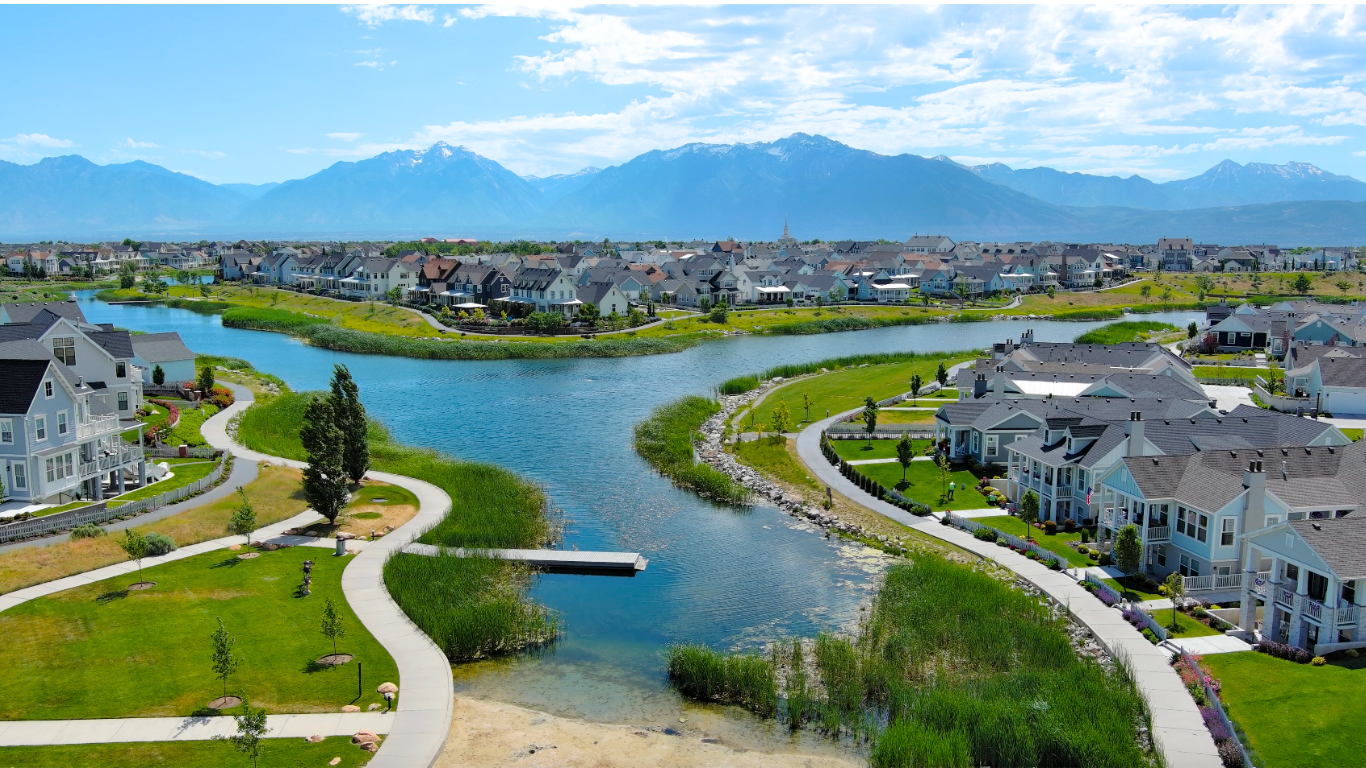
If you're buying anywhere in Salt Lake County or Utah County, we'd love to walk you through the REPC before you make an offer, so you're never surprised mid-transaction.
Reach out at (801) 446-2662, email us at ZanderTeam@ZanderTeam.com, or visit zanderteam.com. We're here when you need us.